Wet vs. Dry Automatic Food Feeders: Which One Is Best for Your Cat?
Blog post description.
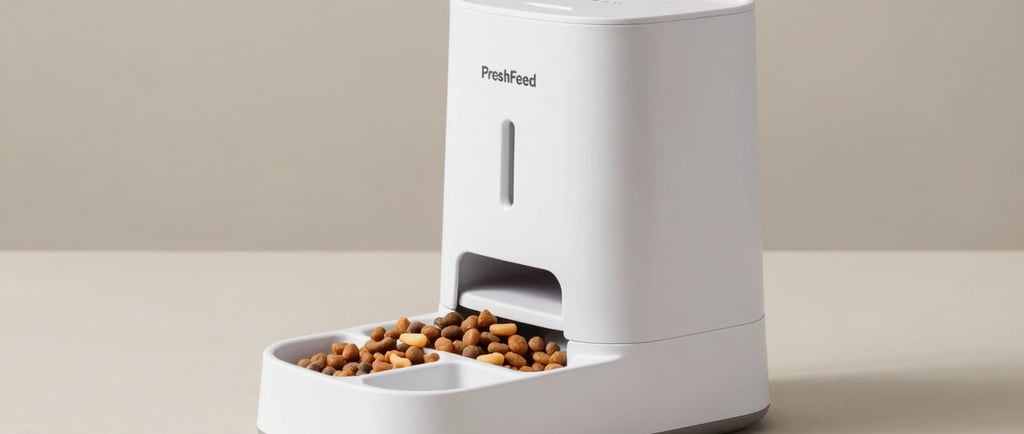
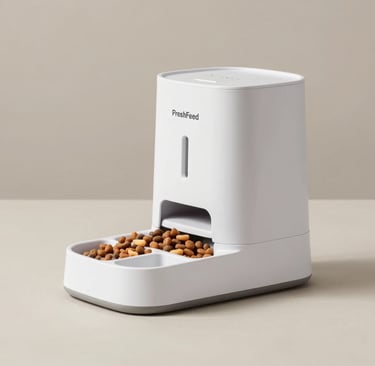
Choosing between a wet food and a dry food automatic feeder comes down to your cat’s diet, health needs, and daily schedule. While dry food feeders offer convenience and long-term storage, wet food feeders provide essential hydration and nutrient-dense meals.
Here is a direct comparison to help you decide which option fits your home best.
1. Capacity & Storage Time
Dry Food Feeders: Equipped with large hoppers that store up to 3–5 liters of dry kibble. They can automatically dispense meals for weeks without needing a refill, making them perfect for owners who travel frequently.
Wet Food Feeders: Designed for short-term feeding (usually 1 to 6 meals). Because wet food spoils quickly, these devices use ice gel packs or built-in thermoelectric cooling to keep meals fresh for 24 to 48 hours max.
2. Health & Hydration Benefits
Hydration: Cats naturally get most of their water intake from their diet. Wet food feeders are ideal for cats with kidney issues, urinary tract sensitivity, or those who rarely drink from water bowls.
Weight Management: Both types offer precise portion control, but dry food is more calorie-dense. If your cat is prone to weight gain, scheduled wet food portions can keep them full with fewer calories.
3. Cleaning & Maintenance
Dry Feeders: Require minimal maintenance. You only need to wash the food bowl weekly and clean the hopper once a month.
Wet Feeders: Require daily cleaning. The rotating tray and ice packs must be washed after every meal cycle to prevent bacterial growth and odorous food buildup.
The Verdict
If your primary goal is long-term automation for daily kibble, a Dry Food Feeder is your best bet. If your cat requires a wet food diet for medical or hydration reasons, an Ice-Cooled Wet Food Feeder is a total game-changer.
Ready to find the perfect match? Visit our Shop Section to explore top-rated feeders in both categories.